Biological EtO abatement for a sterilisation company in Thailand
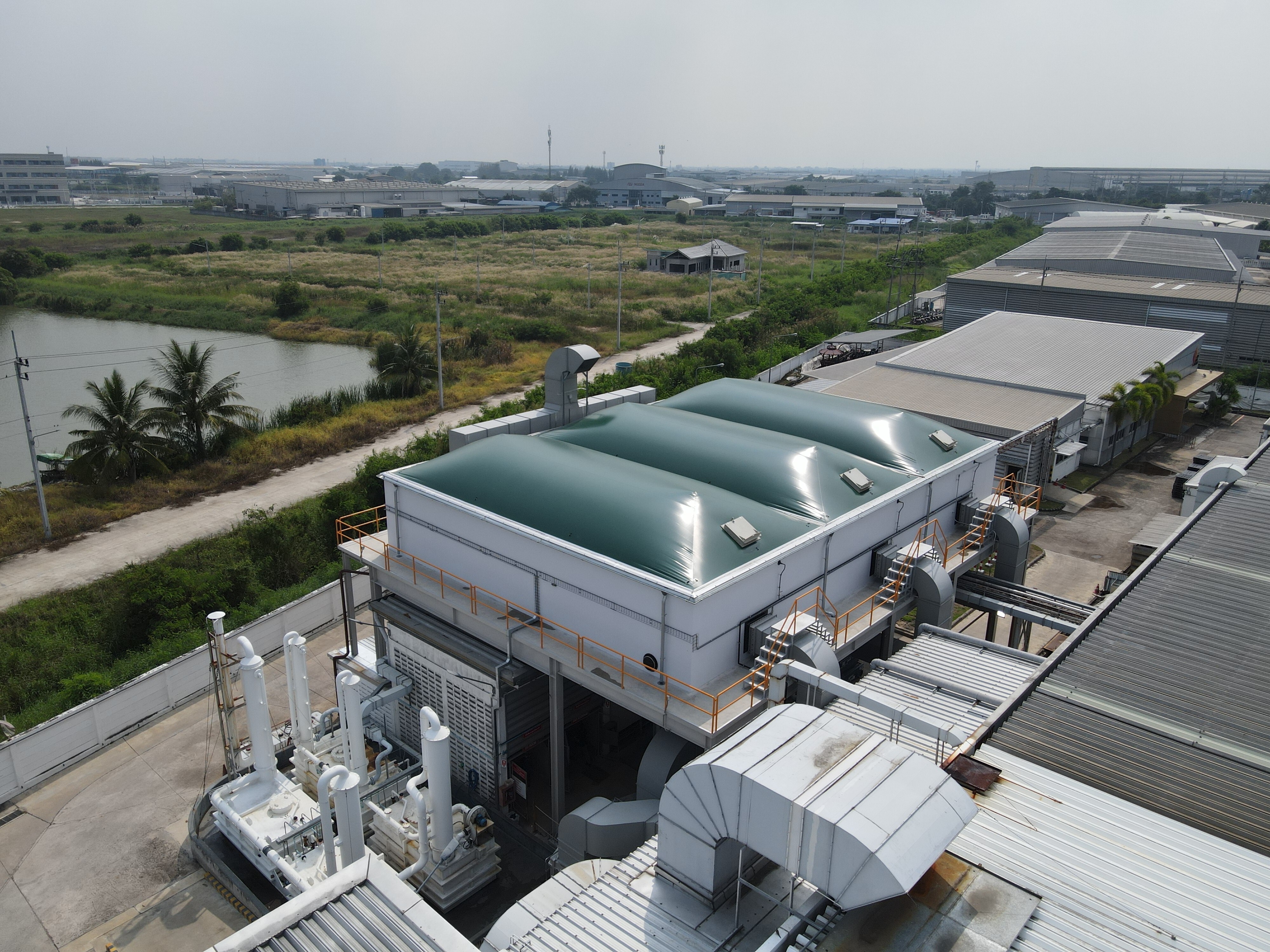
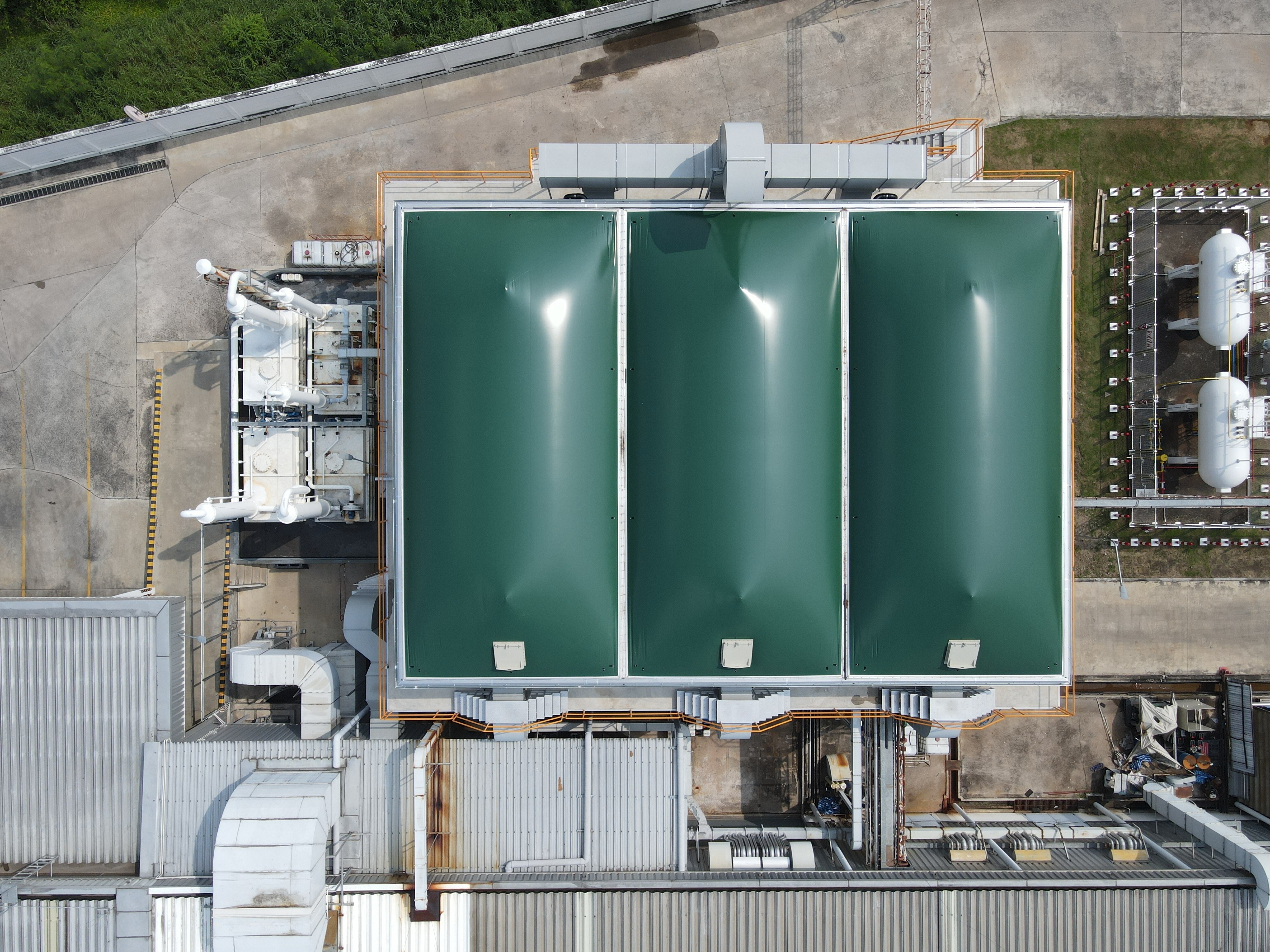
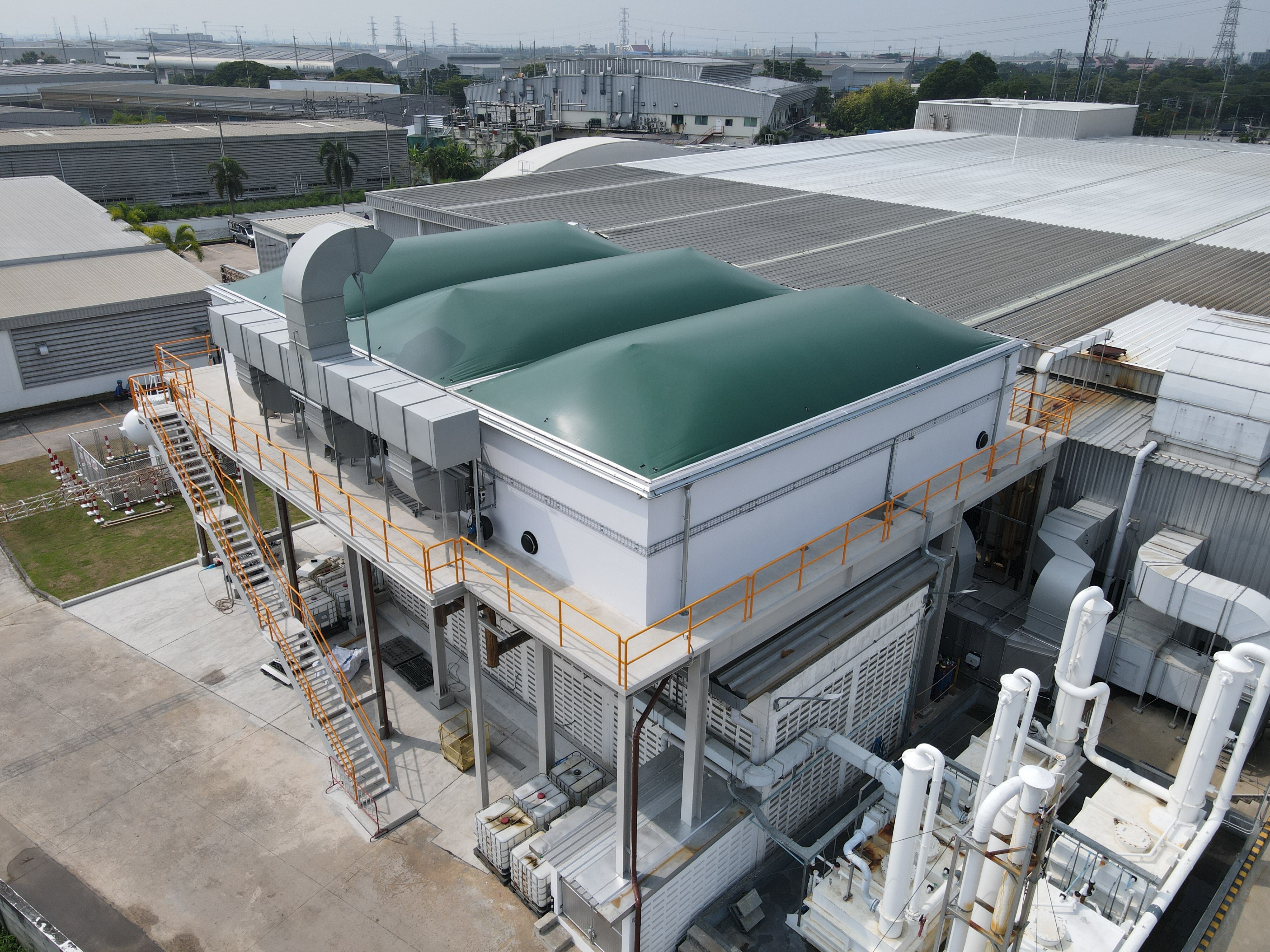
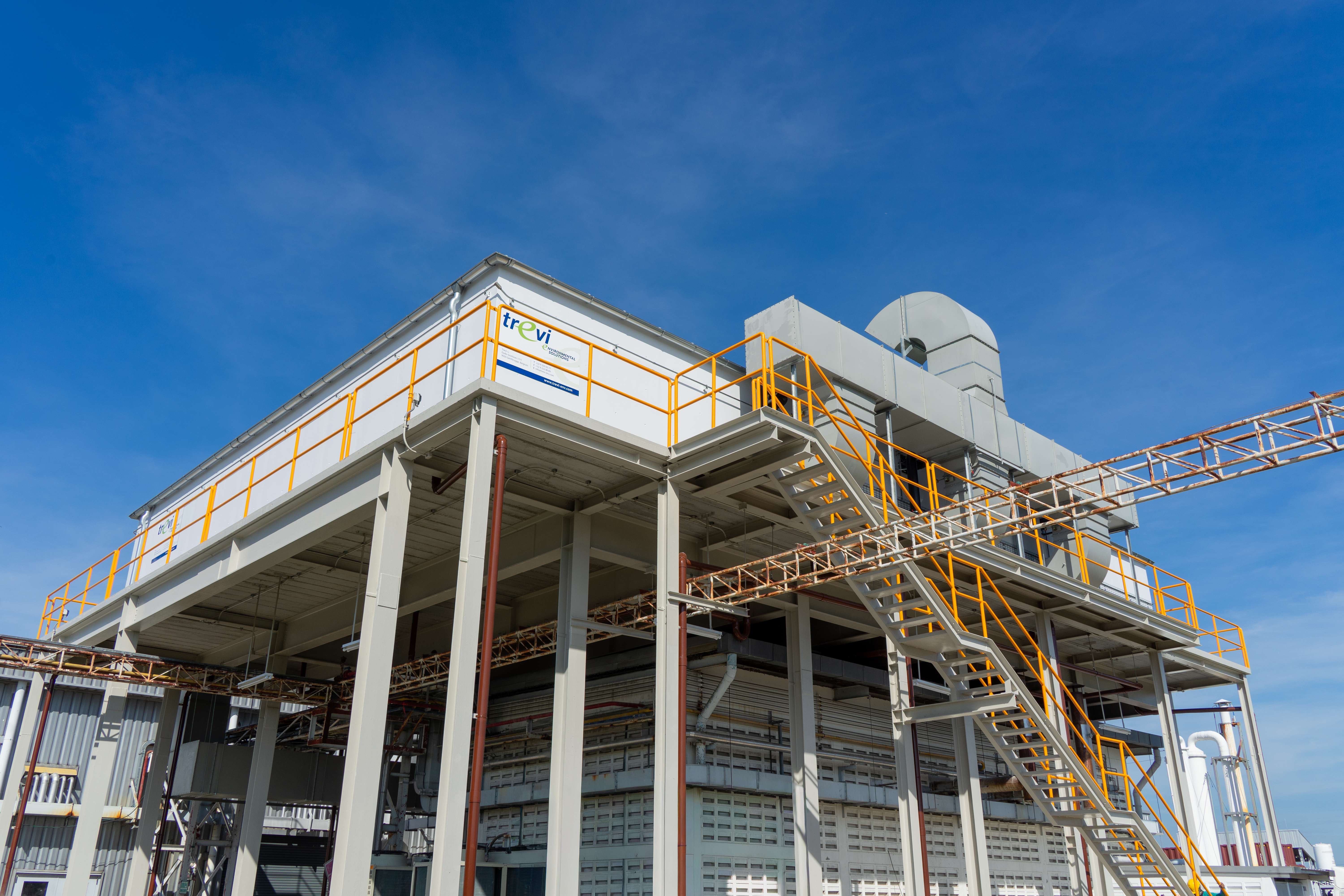
Trevi designed and built a BEtOfilter, a biological filter for ethylene oxide (EtO), to treat aeration room air at a sterilisation company in Thailand. The installation is the world's first full-scale biological system for EtO abatement. It keeps the EtO concentration at the outlet below 1 ppmv, the site's compliance level.
The challenge: low EtO concentrations in large volumes of aeration air
Aeration rooms at sterilisation sites release large volumes of air with EtO concentrations of 0–100 ppmv. EtO is carcinogenic and extremely flammable, with a lower explosive limit of 3% and very low exposure limits. Removing low concentrations from high airflows usually calls for a large installation of acid scrubbers. The client needed to reach an outlet concentration below 1 ppmv EtO. There was also no space at ground level for a new installation.
Our solution: a biological filter for ethylene oxide
Trevi developed a biological route for EtO abatement. In 2022, no scientific data on biofiltration of EtO were available, so Trevi started an in-house research project.
- Lab tests: batch and continuous tests showed that specialised microorganisms use EtO as a carbon source. They convert each EtO molecule into about two molecules of CO₂, plus water. A performance curve set the design limit at 10 g EtO per m³ of filter bed per hour.
- Pilot test: a pre-tested, pre-filled pilot unit was placed on the client's site and only needed water and air connections. The pilot ran at 40% above its design flow and recovered quickly after a shutdown of 1.5 days.
- Full-scale installation: a humidifier conditions the aeration room air before it enters the BEtOfilter. The filter bed consists of local coconut fibre, inoculated with microorganisms specialised in EtO. A controlled nutrient feed keeps the biology active. Because there was no space at ground level, the installation was built above ground.
The result: outlet below 1 ppmv EtO
The BEtOfilter keeps the EtO concentration at the outlet below 1 ppmv, the site's compliance level. Over about 300 days of operation, the filter handled inlet peaks of around 30 ppmv and varying concentrations without exceeding that level. After the gas flow tripled, the filter recovered quickly. Trevi took the technology from lab research to full-scale operation in three years.
