Making water circulation a reality
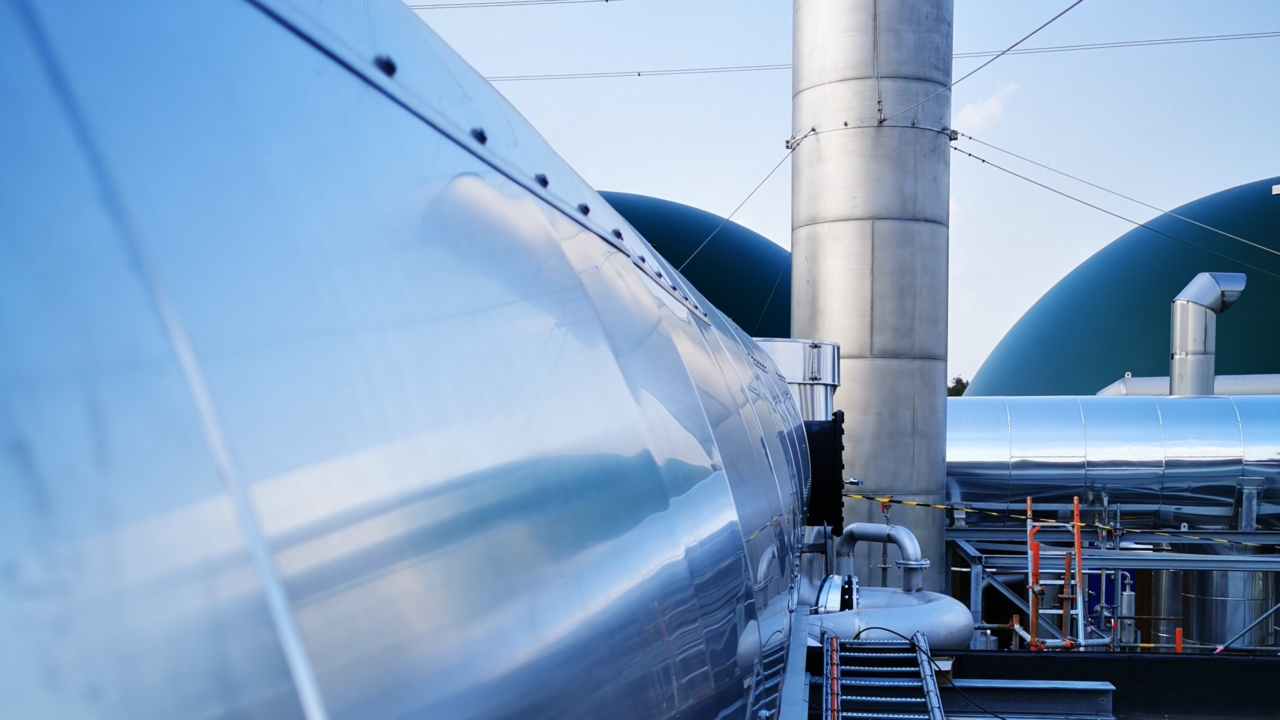
Closed loop water systems recycle process water within industrial operations, minimizing intake and discharge. This model is increasingly seen as vital for long-term water resilience.
How a closed loop works
By capturing, treating and recirculating process water, closed loop systems minimise discharge and freshwater intake. The treatment train typically includes a combination of physical, chemical and thermal technologies tailored to the contaminants present, using technologies like:
- Membrane filtration (ultrafiltration, RO)
- Ion exchange and thermal evaporation
- Smart controls for quality assurance
Why is this important?
In a world of increasing water stress and rising utility costs, closed loop systems deliver both environmental and economic value. Facilities reduce their exposure to water scarcity and align with tightening discharge regulations, all while lowering their operational footprint.
Key benefits:
- Water scarcity resilience: Less dependence on external water sources
- Cost savings: Reduced intake, discharge and treatment costs
- Regulatory compliance: Minimized environmental impact and liability
Challenges of closed loop systems
Effective, closed loop systems come with technical and operational challenges. Salt accumulation, energy consumption, and system complexity must be managed through smart design and integration.